
How to Spot Fake Sterling Silver: 7 Tests
Table of Contents
- Why Spotting Fake Sterling Silver Matters
- How to Read Silver Hallmarks and Stamps
- The Sterling Silver Magnet Test
- The Ice Cube Test and Thermal Conductivity
- Weight, Density, and Visual Inspection
- Professional Testing: Acid Test and Lab Certification
- Distinguishing Silver-Plated from Solid Sterling Silver
- Common Fake Silver Indicators to Watch For
- Frequently Asked Questions
Last Updated: October 4, 2026
Why Spotting Fake Sterling Silver Matters
Counterfeit sterling silver floods the market. Fake pieces tarnish quickly, damage skin, and waste your money. Learning how to spot fake sterling silver protects your investment and ensures you're buying authentic jewelry that lasts.
At Silver Mexican Treasures, we work directly with artisans certified by the Consejo Regulador de la Plata. Every piece we sell is lab-certified .925 sterling silver. We've seen too many customers disappointed by unmarked or misrepresented silver, so we want to share the practical tests you can do at home.
Several simple tests reveal whether silver is genuine, even when hallmarks are forged or surfaces are polished.
How to Read Silver Hallmarks and Stamps
The hallmark stamp is your first line of defense. Every legitimate sterling silver piece carries a maker's mark or hallmark that identifies its purity and origin.
What the .925 Hallmark Means
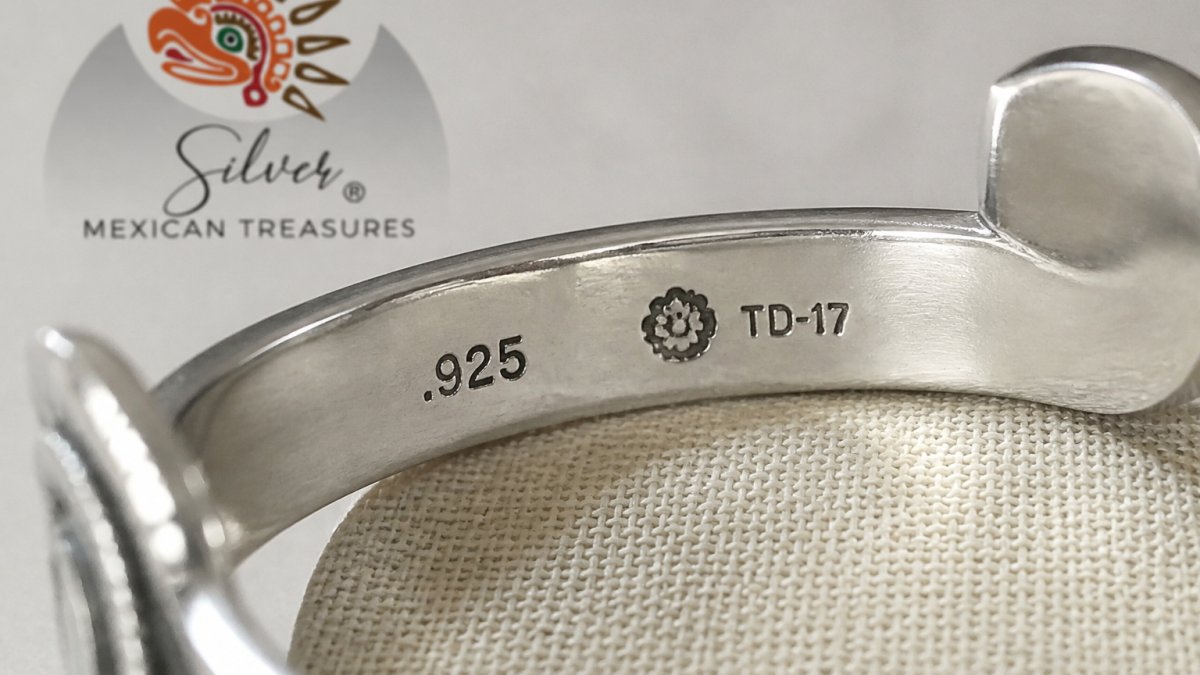
The .925 mark is the universal hallmark for sterling silver, indicating 92.5% pure silver. Look for this mark on the inside of rings, the clasp of bracelets, or hidden areas of pendants. Fake pieces often lack hallmarks entirely or display incorrect numbers like .800, .900, or .999.
Regional Hallmark Variations
Different regions use different hallmark systems. Mexican silver from Taxco often displays a maker's symbol or initials. Genuine hallmarks are crisp, evenly spaced, and deeply impressed; counterfeit marks are shallow, blurry, or irregularly placed.
The Sterling Silver Magnet Test
Sterling silver is non-magnetic. Hold a strong neodymium magnet near the piece; real sterling silver will not stick. If the piece moves toward the magnet, it contains ferrous metals like iron or nickel, indicating counterfeiting. Note: some fakes use non-ferrous metals like brass or aluminum that won't stick, so combine this test with others.
The Ice Cube Test and Thermal Conductivity
Sterling silver conducts heat exceptionally well. This property separates it from most fakes.
How the test works:
Place an ice cube directly on the silver piece. Real sterling silver melts the ice noticeably within seconds due to its exceptional thermal conductivity. Fake silver, particularly silver-plated or base metal pieces, conducts heat poorly and melts ice slowly. Combine this test with others for certainty.
Weight, Density, and Visual Inspection
Understanding silver density:
Sterling silver has a density of 10.3 grams per cubic centimeter. Pieces made from lighter metals like aluminum feel noticeably lighter; denser base metals feel heavier than expected. If you have a scale, weigh your piece and calculate its volume to compare against sterling silver's expected density.
Visual inspection techniques:
Genuine sterling silver develops a natural patina (darkened, oxidized layer) over time, a sign of authenticity. Fake silver often has a uniform, artificially polished appearance. Check edges and joints; real sterling silver shows consistent color throughout, while fakes reveal base metal where plating has worn away.
Checking Wear Patterns and Patina
Authentic sterling silver shows predictable wear patterns. Heavily worn areas, like the underside of a ring or the back of a pendant, reveal the true metal beneath.
Examine these high-contact zones carefully. If you see a different color underneath (copper, brass, or silver-colored base metal), the piece is likely silver-plated, not solid sterling.
Patina formation is also telling. Real sterling silver oxidizes naturally, creating a dark tarnish. This tarnish can be polished away, but it always returns. Fakes either never tarnish or tarnish unevenly.
Professional Testing: Acid Test and Lab Certification
How the acid test works:
A small scratch exposes fresh metal, and nitric acid is applied. Sterling silver produces a milky white or cream-colored precipitate confirming .925 purity; base metals and silver-plated pieces produce different reactions (green, black, or none). This destructive test leaves a visible mark, so use it only on scrap silver or low-sentimental pieces.
Why home acid test kits carry real risks:
Nitric acid causes severe chemical burns, respiratory damage, and eye injury. Improper disposal contaminates soil and water. Commercial kits often lack clear safety instructions or adequate protective equipment. The cost savings ($15-$40 versus $30-$75 professional testing) does not justify the health and legal risks.
Safety Precautions for Acid Testing
If you choose to perform an acid test at home, follow these non-negotiable safety steps:
Personal protective equipment (required):
- Chemical-resistant nitrile or butyl rubber gloves (latex is not sufficient)
- Safety glasses or a full face shield
- A lab coat or apron to protect clothing
- Closed-toe shoes
Environmental controls:
- Work outdoors or in a well-ventilated laboratory space with a fume hood
- Never test indoors, in a kitchen, or near children or pets
- Keep a container of water or a neutralizing agent (baking soda solution) within arm's reach for immediate rinsing
- Have paper towels and a waste container designated for acid disposal
Testing procedure:
- Use only diluted nitric acid (never concentrated acid)
- Apply a small drop to the scratched area; do not oversaturate
- Observe the color reaction within 30 seconds
- Rinse the piece immediately with water and dry thoroughly
- Do not touch your face or eyes during or after the test
Disposal and cleanup:
- Never pour acid down the drain
- Neutralize used acid with baking soda until it stops fizzing, then dispose according to local hazardous waste regulations
- Contact your municipality's waste management facility for proper disposal instructions
Lab certification is the gold standard:
Reputable labs use X-ray fluorescence (XRF) or inductively coupled plasma (ICP) analysis, non-destructive methods far safer than home acid testing. They provide written documentation of purity and composition, valuable for insurance and resale. Request lab certification from sellers of high-value pieces.
Distinguishing Silver-Plated from Solid Sterling Silver
Silver-plated jewelry contains only a thin layer of real silver over a base metal core, fundamentally different from solid sterling silver in durability, value, and long-term wear.
What is silver plating and how is it applied:
Silver plating deposits a thin layer of real silver (0.5-2 micrometers) onto a base metal substrate like copper, brass, or nickel silver.
How to identify silver-plated pieces:
Hallmark inspection: Look for "EP," "EPNS," "925 plated," "Vermeil," or "silver-plated." Solid sterling silver is marked only ".925" or "sterling" with no plating designation. Any plating mark indicates the piece is not solid sterling.
Visual inspection of wear patterns (the most reliable non-destructive test):
Examine high-contact areas like the underside of a ring or back of a pendant. If you see a distinctly different color (copper/reddish, brass/golden, or pale silver/white), the piece is plated. Authentic solid sterling silver shows the same color throughout, even in worn zones.
Weight and density comparison:
Silver-plated pieces feel noticeably lighter than solid sterling silver because base metals are typically less dense. If a piece feels too light for its size, it's likely plated over a lighter base metal.
Magnet testing for plated pieces:
If a piece is magnetic, it is definitely not solid sterling silver. A magnetic response indicates the base metal is ferrous (iron, nickel, or steel). Solid sterling silver and copper are both non-magnetic.
Tarnish patterns and oxidation:
Solid sterling silver tarnishes evenly over time, developing a consistent dark patina that can be polished away. Silver-plated pieces often show uneven tarnish or discoloration because the base metal oxidizes differently than silver.
Understanding the durability trade-off:
Silver-plated jewelry is not inherently inferior, it serves a purpose. Plated pieces are more affordable and suitable for fashion jewelry or pieces worn occasionally. However, plating wears away with time and use.
Solid sterling silver, by contrast, maintains its integrity indefinitely. It can be worn daily, cleaned aggressively, and polished repeatedly without losing its essential properties. If you're investing in jewelry for long-term wear or heirloom value, solid sterling silver is the only choice.
Price as a reality check:
If you're paying sterling silver prices (typically $30-$100+ per gram of silver content), you should receive solid sterling silver, not plating.
Common Fake Silver Indicators to Watch For
Certain red flags signal counterfeit silver immediately.
Warning signs:
- No hallmark or an illegible hallmark
- Hallmarks that don't match the claimed origin
- Magnetic attraction to a strong magnet
- Extremely light weight for the piece size
- Visible base metal at edges or seams
- Uniform, artificially perfect surface with no patina
- Uneven tarnish or discoloration
- Price that seems too good to be true
Counterfeiters often cut corners on hallmarking. They know many buyers don't check. If a piece lacks a hallmark entirely, it's almost certainly not sterling silver.
Inconsistent hallmarks are another red flag. If the mark doesn't match the claimed origin or contains misspellings, the piece is fake.
At Silver Mexican Treasures, every piece comes with lab certification proving .925 authenticity. We work with artisans from the Consejo Regulador de la Plata, an organization that certifies Mexican silver craftsmanship. When you buy from us, you skip the guesswork.
Learning how to spot fake sterling silver saves money and protects your collection. The tests we've covered, hallmark inspection, magnet testing, thermal conductivity, and visual examination, are tools every buyer should use. When you're investing in jewelry, authenticity matters. Choose pieces from trusted sources that provide lab certification and transparent sourcing. At Silver Mexican Treasures, we're committed to selling only authentic, lab-certified .925 sterling silver handcrafted by certified artisans. Explore the Collection and discover jewelry you can trust.
Frequently Asked Questions
How do you know if you have real sterling silver?
Real sterling silver has a .925 hallmark stamp, is non-magnetic, and feels heavy for its size due to its density. You can verify authenticity by checking for the hallmark, performing a magnet test, and observing how quickly it conducts heat (the ice cube test). For absolute certainty, lab-certified sterling silver verification from a reputable testing facility provides documented proof of authenticity and purity.
What do the hallmarks on sterling silver jewelry mean?
Hallmarks are official stamps that indicate metal purity and origin. The .925 mark means the piece contains 92.5% pure silver and 7.5% alloy (typically copper). Different regions use different hallmark systems, Mexican silver often bears Taxco or regional assay marks. These stamps authenticate that the jewelry meets recognized standards for sterling silver and help you identify counterfeit pieces that lack proper hallmarking.
How can you tell the difference between silver-plated and solid sterling silver?
Silver-plated items have only a thin layer of silver over a base metal like nickel or brass, while solid sterling silver is .925 throughout. Look for hallmarks, plated pieces rarely have them or may say 'plated.' Plated silver wears away with time, revealing the base metal underneath, while sterling silver develops an even patina. Weight also differs; solid sterling silver feels noticeably heavier than plated items of similar size.
Does a magnet stick to real sterling silver?
No, real sterling silver is non-magnetic and should not attract a magnet. If a magnet sticks to your jewelry, it indicates the presence of ferrous metals like nickel or iron in the base, signaling either plating or a counterfeit alloy. This simple magnet test is one of the quickest ways to spot fake sterling silver, though it should be combined with other verification methods for complete confidence in authenticity.