
Sterling Silver Engagement Rings With Gemstone Accents
Last Updated: November 24, 2026
Quick Summary
Sterling silver engagement rings with gemstone accents pair affordable .925 silver with colored stones that carry personal meaning, freeing budget for a better-cut stone or more elaborate setting. Choose a hard stone like sapphire or diamond and a protective bezel setting, since silver is softer than gold alloys and many gemstones are softer than diamond.
- 925 silver is 92.5 percent pure silver and 7.5 percent other metals, usually copper added for strength.
- Ask for a certificate that lists metal purity and matches the specific ring you receive.
- Bezel settings wrap metal around the stone's edge and offer the most protection.
- White gold rhodium plating typically wears through within one to three years of daily wear.
- Remove silver rings before swimming, showering, or cleaning with chemicals, and store them dry.
Table of Contents
- Why Sterling Silver Engagement Rings With Gemstone Accents Stand Out
- What 925 Silver Means for an Engagement Ring
- How to Confirm Lab Certified Silver Before You Buy
- Choosing Gemstones, Cuts, and Settings That Hold Up
- Sterling Silver vs Other Metals for Engagement Rings
- Sterling Silver Jewelry Care Tips for Daily Wear
- Fair Trade Artisan Jewelry Benefits for Your Wedding Story
- Sizing, Resizing, and Long-Term Repair
- Explore Handcrafted Silver Rings at Silver Mexican Treasures
- Frequently Asked Questions
Why Sterling Silver Engagement Rings With Gemstone Accents Stand Out
Sterling silver engagement rings with gemstone accents offer a distinctive alternative to the standard diamond solitaire, pairing an affordable precious metal with stones that carry personal meaning.
The appeal is straightforward. Silver costs a fraction of white gold or platinum, which frees budget for a better-cut stone or a more elaborate setting. Gemstones bring color and personality that a clear diamond cannot match. A garnet band reads warm and vintage.
Here is the tension most guides ignore: silver is softer than gold alloys, and many colored stones are softer than diamond. A silver engagement ring with gemstone accents is a genuine heirloom candidate, but only if the metal and stone are chosen to suit daily wear.
What 925 Silver Means for an Engagement Ring
925 silver is an alloy containing 92.5 percent pure silver and 7.5 percent other metals, usually copper, added for strength. Pure silver is too soft for a ring that sees daily wear, so the alloy is the practical standard for jewelry.
That 7.5 percent matters. Copper hardens the metal and gives it enough durability to hold a setting and survive knocks against a desk or doorframe. It also explains tarnish: the copper in the alloy reacts with sulfur in the air over time, which is why silver darkens when left unworn.
Look for the stamp. A genuine piece carries a "925" or "sterling" mark, often inside the shank. The Canadian government guide to precious metal marking explains how hallmarks and quality marks work for consumers.
How to Confirm Lab Certified Silver Before You Buy
Ask for the certificate before you pay, and match the certificate to the specific piece you receive. A lab report that covers a batch of silver is not proof that your particular ring was tested.
Certification confirms two things: the silver content meets the .925 standard, and the stone is what the seller claims. Without a report, you are trusting the stamp alone, and stamps can be counterfeited.
Four checks we recommend before any purchase:
- Request the certificate number and the testing lab's name in writing
- Confirm the certificate lists the metal purity, not just the brand
- Compare the certificate details to the ring's stamp when it arrives
- Keep the certificate with your purchase records for insurance and resale
Reputable sellers should be willing to explain their certification process. If a seller dodges the question, that is your answer. For a step-by-step breakdown of the methods, read our guide on how to confirm lab certified silver using seven practical checks.
Choosing Gemstones, Cuts, and Settings That Hold Up
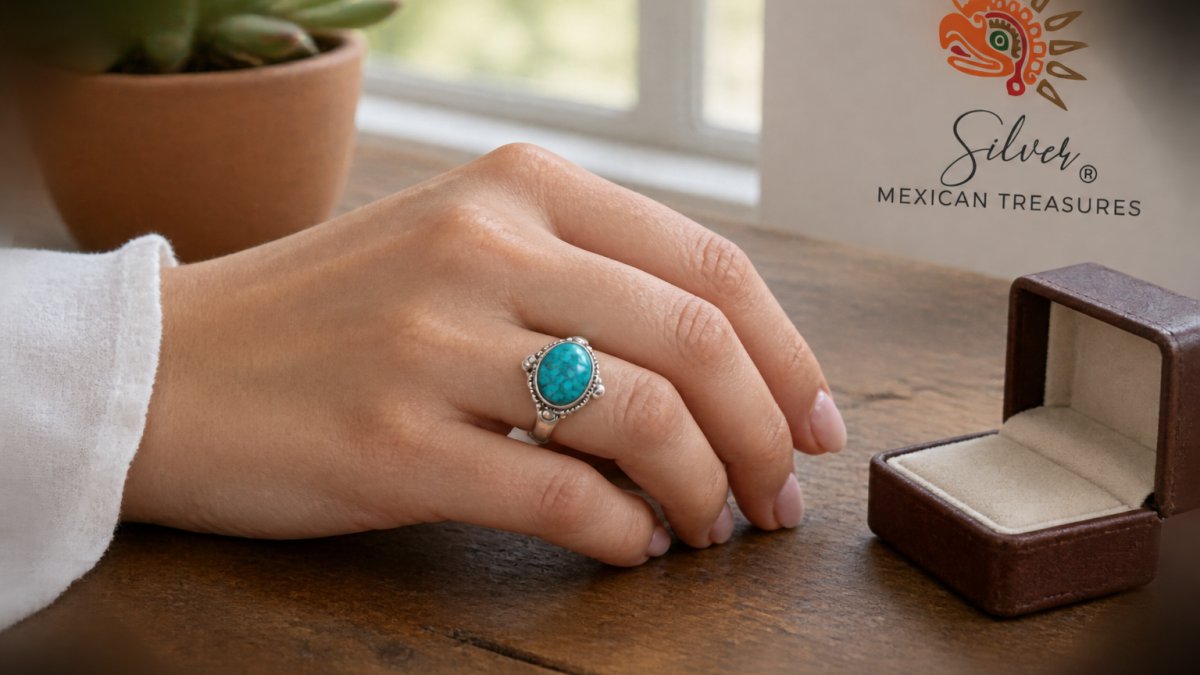
Stone choice decides whether the ring survives a decade of wear. Two properties matter: hardness, which is resistance to scratching, and toughness, which is resistance to chipping and breaking. A stone can be hard but brittle, or softer but tough. For an engagement ring worn daily, both matter.
Diamond and sapphire sit at the top for durability. Diamond is the hardest common gemstone, and sapphire is close behind, with excellent toughness for everyday wear. Ruby, a variety of corundum like sapphire, shares that durability.
Birthstones, Semi-Precious Stones, and Diamond Accents
Birthstones give a ring a story. Amethyst, garnet, topaz, and turquoise all work as center or accent stones, and each carries a color no diamond can replicate. Semi-precious stones often cost less than sapphire or ruby, which can keep the total budget reasonable. Garnet and topaz are harder than opal or pearl but softer than sapphire.
Diamond accents change the economics. Our Pasion Ring with a red zirconia stone shows how a colored accent reads in sterling silver, and the Verde Ring with its turquoise-color stone demonstrates a lighter, brighter option for anyone drawn to blue-green tones.
Treatments are common in colored gemstones and should be disclosed. Heat treatment is standard for sapphire and ruby and is stable. Fracture filling and dyeing are more common in emerald and turquoise and can affect durability and care.
Settings, Halos, and Band Styles
The setting is the ring's architecture, and it determines how much the stone is exposed to impact. A bezel setting wraps metal around the stone's edge and offers the most protection. Prong settings show more of the stone but leave its edges vulnerable.
Halos, where a ring of small stones frames the center, add visual size without a larger center stone. Milgrain detail, the tiny beaded edging along a band, adds a vintage character that photographs well. Our Las Flores Ring, a floral statement band in .925 sterling silver, shows how an ornamental band can stand in for a center stone entirely.
Before purchase, inspect the setting for secure prongs, smooth metal around the stone, and no gaps where a stone could catch on clothing. A loose stone is easier to prevent than to replace.
Sterling Silver vs Other Metals for Engagement Rings
Silver wins on price and loses on hardness, but the trade-off is more nuanced than a single hardness score.
Sterling silver (92.5 percent silver, 7.5 percent copper) is the softest of the common ring metals. It scratches, dents, and tarnishes more readily than gold alloys or platinum. The copper in the alloy reacts with sulfur compounds in air, skin oils, and household products, forming a dark surface layer. That tarnish is removable, but it is a recurring task rather than a one-time fix.
White gold is harder than silver but relies on rhodium plating for its bright white finish. That plating wears through with friction, typically within one to three years of daily wear, and re-plating is a recurring cost.
| Metal | Relative Cost | Wear Behavior | Maintenance Pattern | Setting Security |
|---|---|---|---|---|
| Sterling silver | Lowest | Scratches and tarnishes; patina develops | Polishing and tarnish removal | Adequate for protected settings; prongs need periodic checks |
| White gold | Mid to high | Harder than silver; plating wears | Rhodium re-plating every few years | Good; plating wear can expose warmer alloy |
| Yellow gold | Mid to high | Softer than white gold; scratches blend | Occasional polishing | Good; alloy color hides wear |
| Platinum | Highest | Dense; develops patina, minimal metal loss | Professional polishing to restore finish | Excellent; prongs hold tension long-term |
For a ring worn every day for decades, platinum is the more durable metal, and its higher upfront cost is offset by lower long-term maintenance.
Watch out: a soft metal paired with a vulnerable setting is the real risk, not silver alone.
The decision framework is straightforward. If the priority is minimizing upfront cost while leaving budget for a better stone, sterling silver is the rational choice. If the priority is minimal maintenance over decades, platinum is the stronger investment.
Sterling Silver Jewelry Care Tips for Daily Wear
Silver engagement rings stay bright with a simple routine: wear them often, clean them gently, and store them dry. Regular wear actually slows tarnish, because the friction of movement keeps the surface polished.
The practical rules:
- Remove the ring before swimming, showering, or cleaning with chemicals
- Wipe it with a soft cloth after wearing to remove skin oils
- Clean with mild soap and warm water, then dry fully before storing
- Store in a tarnish-resistant pouch or a sealed bag away from humidity
- Keep it away from perfume, hair products, and chlorinated water
A common mistake is storing silver in a bathroom. Steam and humidity accelerate tarnish faster than almost anything else. Another is using abrasive toothpaste on a polished band, which dulls the finish permanently. Follow a consistent sterling silver jewelry care routine and the metal will hold its shine for years.
Fair Trade Artisan Jewelry Benefits for Your Wedding Story
Fair trade artisan jewelry connects a purchase to the person who made it. That connection matters for a wedding ring, which is meant to carry a story rather than sit in a display case.
The World Fair Trade Organization's principles set out what fair trade actually requires: fair payment, safe working conditions, no child labor, and transparent supply chains. When a seller can name their artisan partners and their regulatory body, those principles are verifiable rather than decorative.
Handcrafted pieces also differ from factory output in ways you can see. Small-batch production means slight variations between pieces, and those variations are the mark of a human hand. Our artisans are members of the Consejo Regulador de la Plata, and each piece is lab-certified by The Silver Laboratory.
Sizing, Resizing, and Long-Term Repair
Get sized professionally before you order, and size for the finger the ring will live on. Ring sizes shift with temperature, time of day, and season, so measure when your hands are at normal temperature, not after exercise or in cold weather.
Ask about resize policy before purchase, and confirm whether the seller handles it or refers you elsewhere.
Long-term, expect two maintenance tasks: re-polishing to remove scratches and tightening prongs if the setting loosens. A bezel setting needs less attention than prongs. Keep the certificate and any repair records together so future work is easier.
Explore Handcrafted Silver Rings at Silver Mexican Treasures
Choosing a silver engagement ring with gemstone accents comes down to three decisions: verified .925 silver, a stone suited to daily wear, and a setting that protects it. Get those right and the ring will hold up for years.
At Silver Mexican Treasures, our pieces are lab-certified .925 Taxco sterling silver, handcrafted in small batches by Mexican artisans. If you are still comparing sources, our guide to the 9 best online shops for high-quality handcrafted Mexican silver jewelry covers how to verify genuine Taxco pieces.
A ring worn every day deserves metal and stone you can trust. Silver Mexican Treasures works directly with Taxco artisans to bring you lab-certified .925 sterling silver, small-batch handcrafted design, and fair trade sourcing you can trace.
Frequently Asked Questions
Is sterling silver durable enough for an engagement ring?
Sterling silver is softer than gold or platinum, so it scratches more easily, but 925 silver rings hold up well for daily wear when the setting is well made. Choose a protected setting, remove the ring for heavy chores, and clean it regularly. Many people wear silver engagement rings for years with routine care. If you want extra peace of mind, ask about the band thickness and whether the stone sits low enough to avoid knocks.
How do I confirm if my silver jewelry is lab-certified?
Check for a 925 stamp inside the band and ask the seller for lab certification details before you buy. At Silver Mexican Treasures, pieces are lab-certified .925 Taxco sterling silver. If the stamp or paperwork does not match what was promised, contact the seller before wearing the ring.
What are the benefits of gemstone accents over diamonds?
Gemstone accents bring color and personality that clear diamonds cannot match, and they often cost less for a similar visual impact. Semi-precious stones like amethyst, topaz, and garnet let you build a ring around a birthstone or a favorite shade. Diamond accents still work well for extra sparkle in a halo or along the shank. Many buyers combine both, using a colored center stone with a small diamond frame for contrast.
How do I care for a sterling silver engagement ring to prevent tarnishing?
Keep the ring away from perfume, chlorine, and prolonged moisture, and remove it before swimming, showering, or cleaning. Wipe it with a soft cloth after wearing and store it in a dry, airtight place. A silver polishing cloth restores shine when tarnish appears. For gemstone rings, avoid harsh chemicals that can dull the stone. Following these sterling silver jewelry care tips keeps both the metal bright and the accent stones looking their best for years.
