
925 Sterling Silver Jewelry: A Complete Guide
Table of Contents
- What Is 925 Sterling Silver Jewelry?
- Sterling Silver vs Silver Plated: Understanding the Difference
- How to Identify Real 925 Sterling Silver Jewelry
- Lab Certified Sterling Silver Verification: What It Means
- How to Clean Sterling Silver Jewelry and Prevent Tarnish
- Is 925 Sterling Silver Hypoallergenic and Safe for Daily Wear?
- The Value of Handcrafted 925 Sterling Silver Jewelry
- Frequently Asked Questions
Last Updated: September 18, 2026
What Is 925 Sterling Silver Jewelry?
925 sterling silver jewelry is an alloy made of 92.5% pure silver combined with 7.5% copper and other base metals. This metal blend creates a durable, beautiful precious metal that's strong enough for everyday wear while maintaining the lustrous shine that makes silver so desirable. The "925" hallmark stamped on genuine pieces indicates this exact composition, making it the global standard for fine silver jewelry.
At Silver Mexican Treasures, we work exclusively with lab-certified .925 sterling silver handcrafted by artisans in Taxco, Mexico. This commitment to authentic materials ensures that every piece maintains its integrity and beauty for years to come.
The Metal Blend: Silver and Copper
Pure silver, also called fine silver, is too soft for jewelry that needs to withstand daily wear. When you wear a pure silver ring or bracelet repeatedly, it bends, scratches, and loses its structural integrity within months. The addition of copper transforms this delicate precious metal into something practical.
Copper comprises 7.5% of sterling silver's composition. This base metal strengthens the alloy without compromising the visual appeal or hypoallergenic properties that make silver so attractive. The copper bonds with the silver atoms at a molecular level, creating a metal blend that's significantly more durable than pure silver alone.
The precise metal composition is what separates authentic sterling silver from cheaper alternatives like silver plating or silver-filled jewelry.
Why the 925 Hallmark Matters
The 925 hallmark is your guarantee of authenticity and composition. This stamping standard is regulated internationally and indicates that the piece contains exactly 92.5% pure silver by weight. When you see "925," ".925," "sterling," or "ster" stamped on jewelry, you're looking at a piece that meets the legal definition of sterling silver.
The 925 standard is universal among reputable makers. This consistency allows collectors, jewelers, and consumers to trust that a marked piece meets the same durability and purity expectations regardless of where it was crafted. The hallmark serves as a quality seal that protects both the wearer and the artisan's reputation.
Without a hallmark, you cannot reliably verify that what you're buying is actually sterling silver. Unmarketed pieces may be silver-plated, silver-filled, or contain a much lower percentage of actual silver.
Sterling Silver vs Silver Plated: Understanding the Difference
Sterling silver and silver plating are fundamentally different products with vastly different lifespans and value retention. Understanding this distinction is essential before making a purchase decision.
Silver plating involves coating a base metal (usually brass or copper) with a thin layer of silver. This layer typically measures only a few microns thick, thin enough that regular wear, cleaning, and exposure to moisture will eventually wear through it. Once the silver coating wears away, the base metal underneath oxidizes and tarnishes, leaving discolored or green-tinted jewelry that cannot be restored.
Sterling silver, by contrast, is solid throughout. The entire piece is made from the 925 alloy. When sterling silver tarnishes, you're seeing oxidation on the surface of the metal itself, not exposure of an inferior base. This tarnish can be polished away repeatedly without damaging the piece. A sterling silver bracelet or necklace can be cleaned and restored to shine dozens of times over its lifetime.
The price difference reflects this durability gap. Silver plating costs significantly less upfront because manufacturers use less silver. However, a plated piece typically requires replacement within 1-3 years of regular wear, while a sterling silver piece can last decades or generations. When you calculate cost-per-year of wear, sterling silver becomes the more economical choice for anyone who plans to wear jewelry regularly.
| Characteristic | Sterling Silver | Silver Plated |
|---|---|---|
| Composition | 92.5% pure silver throughout | Base metal with thin silver coating |
| Durability | Lasts decades with proper care | Wears through in 1-3 years |
| Tarnish | Surface oxidation, easily polished | Coating wears away, base metal exposed |
| Hypoallergenic | Yes (nickel-free varieties) | Depends on base metal underneath |
| Value | Retains value, can be resold | Minimal resale value |
| Cost | Higher initial investment | Lower upfront cost |
How to Identify Real 925 Sterling Silver Jewelry
Identifying authentic sterling silver requires checking multiple indicators. A single test is never conclusive, but together they provide reliable verification.
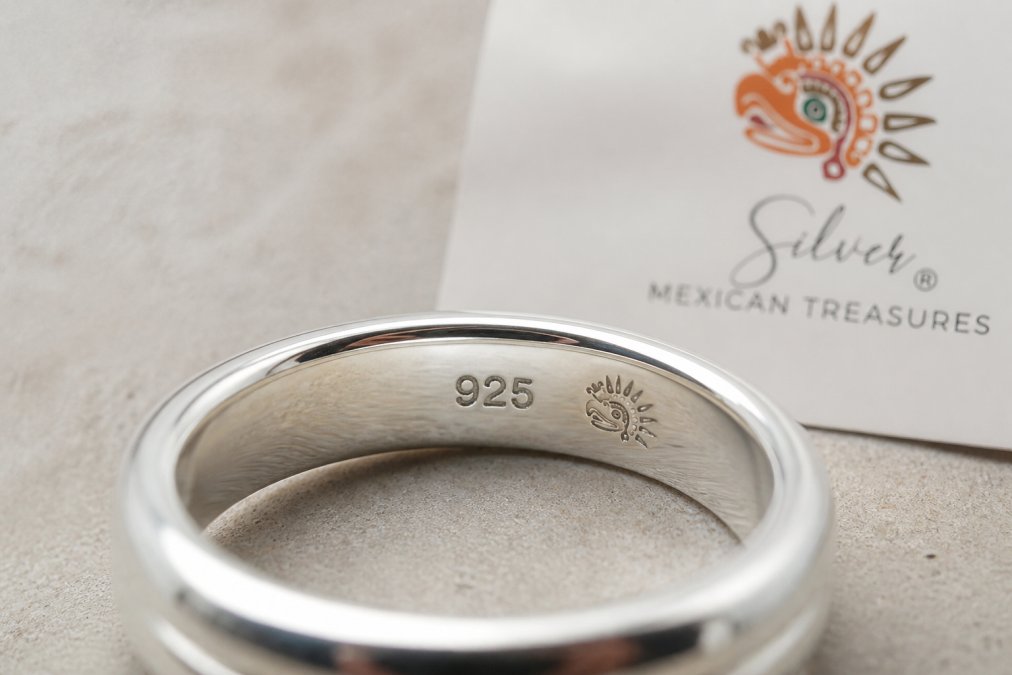
Hallmarks and Stamping Standards
The most straightforward way to verify sterling silver is to locate the hallmark. On rings, this stamp typically appears on the inside band. On necklaces and bracelets, it's usually found on a tag or clasp. On earrings, hallmarks are often stamped on the post or backing.
Look for these markings: "925," ".925," "sterling," "ster," or "92.5." Many artisan pieces also include a maker's mark, a unique symbol or initials identifying the workshop or artisan. In Mexico, pieces made by members of the Consejo Regulador de la Plata (the official silver regulatory council) often carry additional certification marks.
Silver Moon Earrings – Crescent Drop →
The hallmark should be clear and precise. Blurry, faint, or poorly executed stamps are a red flag. If a stamp looks like it was hastily applied or is difficult to read, the piece may be counterfeit.
The Magnet Test and Other Quick Checks
Sterling silver is not magnetic. If a magnet is attracted to your jewelry, it contains ferrous metals that shouldn't be present in authentic sterling silver. This test is quick and effective, though not foolproof, some base metals used in plating are also non-magnetic.
The weight test offers another clue. Sterling silver is dense.
Lab Certified Sterling Silver Verification: What It Means
Lab certification provides the highest level of assurance that jewelry contains exactly what the maker claims. A certified piece has been tested by an independent laboratory using precise analytical methods to verify its composition and purity.
How to Clean Sterling Silver Jewelry and Prevent Tarnish
Proper cleaning and storage dramatically extend the life of your sterling silver pieces. The good news is that maintaining sterling silver doesn't require expensive products or complicated techniques.
Why Sterling Silver Tarnishes and How to Slow It Down
Tarnish is a natural chemical reaction between silver and sulfur compounds in the air and on your skin (pubmed.ncbi.nlm.nih.gov). When exposed to moisture, oxygen, and sulfur, the surface of silver oxidizes, creating a dark gray or black film. This process accelerates in humid environments, near the ocean, or if you wear perfume or lotions frequently.
Storage Best Practices
Store each piece separately if possible. Sterling silver can scratch other jewelry, and different metals can react with each other. Individual pouches or compartments in a jewelry box prevent this damage.
Is 925 Sterling Silver Hypoallergenic and Safe for Daily Wear?
Sterling silver is hypoallergenic for most people, making it an excellent choice for sensitive skin. The high percentage of pure silver means minimal exposure to metals that trigger reactions. However, the 7.5% copper content can occasionally cause issues for individuals with severe copper sensitivities.
The Value of Handcrafted 925 Sterling Silver Jewelry
Handcrafted sterling silver jewelry carries value that mass-produced pieces simply cannot match. When you purchase from Silver Mexican Treasures, you're investing in pieces created by skilled artisans who have spent years perfecting their craft.
Frequently Asked Questions
What does the 925 hallmark actually mean on jewelry?
The 925 hallmark indicates that a piece contains 92.5% pure silver and 7.5% other metals, typically copper. This stamping is a legal requirement in many jurisdictions to verify authenticity and metal content. The remaining 7.5% is added to increase durability and strength, since pure silver alone is too soft for wearable jewelry. Without this alloy, pieces would bend, dent, and break easily with daily wear.
How can I tell if my sterling silver is authentic when it arrives?
Check for a 925 hallmark stamped inside or on the piece. Authentic 925 sterling silver should feel substantial in weight and not magnetic. Real sterling silver develops a natural patina over time rather than flaking or discoloring. Lab-certified pieces come with documentation confirming metal composition and authenticity.
Does 925 sterling silver tarnish, and how do I prevent it?
Yes, sterling silver tarnishes over time due to a chemical reaction between the copper content and sulfur in the air and moisture. To slow tarnishing, store pieces in a dry place away from humidity and chemicals like perfume or lotion. Use a soft silver cloth to gently polish regularly, and keep pieces in airtight containers or anti-tarnish pouches when not wearing them. Avoiding water, especially shower water, extends the life of the finish significantly.
Is 925 sterling silver worth paying more for compared to silver-plated options?
Yes. Sterling silver is a solid metal alloy that lasts for decades with proper care, while silver-plated jewelry has only a thin layer of silver over a base metal. Silver plating wears away with time and cannot be restored to its original look. Sterling silver pieces retain their value, can be repaired or re-polished indefinitely, and develop a beautiful patina that many collectors appreciate. For jewelry you plan to wear regularly or pass down, 925 sterling silver is the better long-term investment.
Can I wear my 925 sterling silver jewelry in the shower or while swimming?
It's best to avoid wearing sterling silver in the shower or while swimming. Water exposure, especially chlorinated or saltwater, accelerates tarnishing and can cause oxidation of the copper in the alloy. Soap, shampoo, and lotions also speed up tarnishing. Remove your pieces before bathing, swimming, or applying skincare products. If your jewelry does get wet, dry it thoroughly with a soft cloth immediately.
Is 925 sterling silver hypoallergenic for sensitive skin?
Sterling silver is generally hypoallergenic because it contains no nickel, a common allergen. However, the 7.5% copper content can occasionally cause reactions in people with severe copper sensitivity, though this is rare. Most people with sensitive skin tolerate 925 sterling silver well. If you experience skin irritation, ensure the piece is clean and dry before wearing, and avoid prolonged contact with lotions or perfumes that may interact with the metal.