
Why Choose Handmade Sterling Silver: Quality & Ethics
Last Updated: October 23, 2026
Quick Summary
Handmade sterling silver offers superior quality, authenticity, and ethical production compared to mass-produced alternatives. Each piece represents 2-3 hours of skilled artisan work, lab-certified 925 purity, and fair compensation that supports independent makers directly, ensuring durability and unique character that mass production cannot replicate.
- Handmade pieces take 2-3 hours per artisan versus 15 minutes in mass production, reflecting genuine skilled labor.
- Lab-certified .925 sterling silver contains 92.5% pure silver and 7.5% other metals, typically copper, verified through documentation.
- Artisans in Taxco are members of the Consejo Regulador de la Plata, a regulatory body certifying authentic Mexican silver craftsmanship.
- Handmade sterling silver ranges from $35-$125+, reflecting fair wages and ethical sourcing versus mass-produced pieces at $15-$40.
- Each handmade piece carries individual character with subtle variations, unlike identical mass-produced replicas.
Table of Contents
- Why Handmade Sterling Silver Stands Apart
- What Does 925 Sterling Silver Mean
- Handmade vs Mass-Produced Sterling Silver: Where the Difference Shows
- How to Tell If Sterling Silver Is Good Quality
- The Real Cost of Handmade Sterling Silver: What You're Actually Paying For
- How to Care for Sterling Silver Jewelry
- Supporting Artisans and Ethical Production
- Frequently Asked Questions
Why Handmade Sterling Silver Stands Apart
When you hold a piece of handmade sterling silver jewelry, you're holding something fundamentally different from mass-produced alternatives. At Silver Mexican Treasures, we work directly with artisans who understand that handcrafted pieces carry intention, skill, and character that machines simply cannot replicate. The difference isn't subtle, it's visible in the finish, tangible in the weight, and meaningful in what your purchase actually supports.

Handmade sterling silver jewelry represents a deliberate choice to prioritize quality over convenience. Each piece reflects the artisan's expertise, the materials' authenticity, and a production process designed for longevity rather than volume. This isn't nostalgia or premium pricing for its own sake. There are concrete, practical reasons why discerning buyers choose handcrafted work.
Here's what separates handmade sterling silver from everything else on the market: authenticity of materials, precision in execution, and transparency in where your money actually goes. Below, we'll show you exactly what those differences mean for your jewelry, your skin, and your values.
What Does 925 Sterling Silver Mean
925 sterling silver is a standardized alloy containing 92.5% pure silver and 7.5% other metals, typically copper. This ratio creates a metal that balances purity with durability, pure silver alone is too soft for wearable jewelry and would bend or dent with normal use.

The "925" stamp you'll find on authentic pieces isn't just a label; it's a hallmark that certifies the metal's composition. When you see this mark, you know the piece meets standards for silver purity.
Handcrafted sterling silver jewelry uses this same 925 standard as mass-produced pieces, but the difference lies in how artisans work with it. An experienced silversmith understands how 925 silver responds to hand-shaping, polishing, and finishing. They know which techniques preserve the metal's integrity and which ones compromise it.
Lab-certified .925 sterling silver, the kind we work with at Silver Mexican Treasures, comes with documentation proving its purity. This certification removes guesswork. You're not trusting a seller's word; you're holding verified proof of what you've purchased.
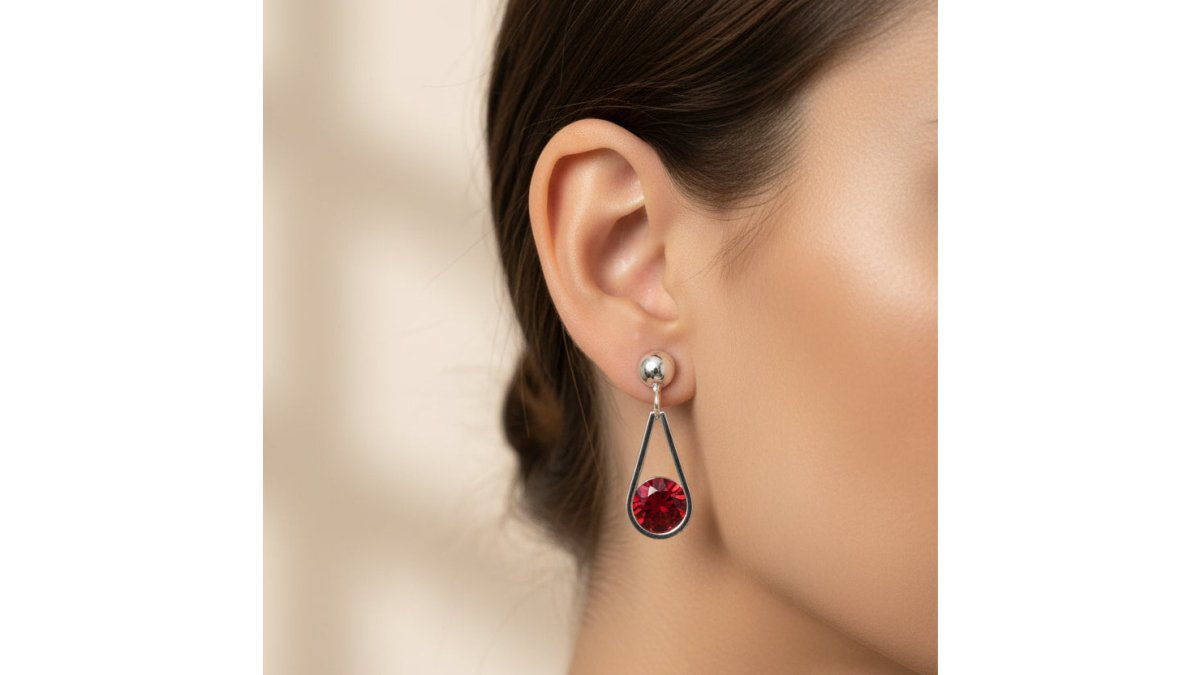
Handmade vs Mass-Produced Sterling Silver: Where the Difference Shows
The gap between handmade and mass-produced sterling silver manifests in three concrete ways: how the pieces are created, how they look and feel, and what happens to them over time.
Production Methods and Scale
Mass production treats sterling silver as a commodity. A factory receives raw material, feeds it through standardized machinery, and produces hundreds of identical pieces per day. The process is efficient, repeatable, and designed to minimize labor costs. Each piece follows the same path: casting, stamping, polishing, quality check. Speed is the priority.
Handmade production works differently. An artisan begins with raw silver or reclaimed material, shapes it by hand using specialized tools, and makes real-time decisions about finishing based on how that specific piece responds. A single artisan might complete 5-10 pieces in a day. The pace is slower because the work demands attention at every stage.
This difference in scale creates a ripple effect. Mass production optimizes for consistency, every piece should be identical. Handmade production optimizes for quality, each piece should be excellent.
Design Originality and Character
A mass-produced sterling silver bracelet is designed once, then replicated thousands of times. The design serves the machinery's constraints, not the other way around. The result is predictable and affordable, but it's also interchangeable. Your bracelet looks identical to thousands of others.
Handmade pieces carry what artisans call "individual character." A silversmith might create a design, produce 20 versions of it, and each one will have subtle variations, a slightly different curve here, a unique polish pattern there. These aren't flaws; they're evidence of human craft. When you wear a handmade piece, you're wearing something with its own personality, not a copy of a copy.
This originality matters practically. If you're buying sterling silver jewelry because you value uniqueness, mass production defeats that purpose. You're paying for something you could have bought from dozens of other sellers.
How to Tell If Sterling Silver Is Good Quality
Verifying sterling silver quality requires checking three things: the hallmark, the weight and feel, and the finish.
Verifying Authenticity and Certification
The first step is finding the 925 hallmark. Legitimate sterling silver pieces carry this stamp, usually on an inconspicuous area like the clasp or the back of a pendant. If there's no hallmark, the piece either isn't sterling silver or it's counterfeit.
Beyond the stamp, look for certification documentation. Lab-certified sterling silver comes with verifiable proof of purity. At Silver Mexican Treasures, every piece includes this certification, which you can reference if you ever have questions about the metal's composition.
The weight and feel tell you something too. Sterling silver has a specific density. A piece that feels too light for its size might contain filler metals or be plated rather than solid.
The finish reveals artisan skill. High-quality sterling silver should have a smooth, consistent polish with no rough spots, pitting, or uneven coloration. Run your finger across the surface; it should feel like glass, not like sandpaper. The edges should be clean and finished, not sharp or rough.
Minimal Sterling Silver Bracelet - Lightweight Everyday Design in .925 Sterling →
The Real Cost of Handmade Sterling Silver: What You're Actually Paying For
Handmade sterling silver costs more than mass-produced alternatives, and understanding why helps you evaluate whether the price makes sense for your situation.
The material itself is identical, 925 sterling silver is 925 sterling silver. The difference is labor. A mass-produced bracelet might represent 15 minutes of human time spread across multiple workers. A handmade bracelet represents 2-3 hours of a skilled artisan's focused work.
There's also the overhead difference. A factory operates at enormous scale, spreading fixed costs across thousands of pieces. An independent artisan or small workshop spreads those same costs across dozens.
The ethical dimension adds real cost too. Fair-trade production means artisans receive wages that actually support their families, not poverty wages extracted by middlemen. Sustainable sourcing means using recycled silver or responsibly mined material, which costs more than whatever's cheapest. Transparency means documentation and traceability, which requires systems and oversight.
At Silver Mexican Treasures, our pieces like the Tallada Bracelet at $125.00 reflect these realities. That price covers the artisan's skill, fair compensation, certification, and the overhead of maintaining direct partnerships with makers in Taxco.

Compare that to fast-fashion sterling silver at $20. That price is possible because corners are cut somewhere: artisans earn less, materials are lower quality, or the piece is designed to fail so you'll replace it.
How to Care for Sterling Silver Jewelry
Sterling silver tarnishes (ncbi.nlm.nih.gov). This is normal, expected, and easily managed. Tarnish is a surface oxidation that happens when silver contacts oxygen and moisture. It's not rust or decay, it's a cosmetic issue, not a structural one.
Prevent tarnish by storing your jewelry in a dry place. A sealed container or jewelry box works well. Keep it away from humidity, perfumes, lotions, and chemicals like chlorine. These accelerate tarnishing. When you're not wearing a piece, store it rather than leaving it exposed on a dresser.
When tarnish does appear, polish it gently with a soft silver cloth. Don't use abrasive materials or harsh chemicals, they can scratch the surface or damage hand-finished details. A silver cloth is inexpensive and effective. Use gentle circular motions, not aggressive scrubbing.
For pieces with intricate hand-finished details, like our Tallada Bracelet, take extra care. The carved texture is part of the artisan's work, and aggressive polishing can flatten it. A soft touch preserves both the shine and the character.
If your skin is sensitive, 925 sterling silver is generally safe. The 7.5% alloy is typically copper, which most people tolerate well. However, if you have a severe nickel allergy, verify that the piece contains no nickel before purchasing.
Supporting Artisans and Ethical Production
When you buy handmade sterling silver, you're making a choice about where your money goes. That choice has real consequences for real people.
Mass production concentrates wealth. A factory worker earns a wage, but the majority of the product's value flows to shareholders and executives. An artisan-made piece distributes value differently. The artisan keeps a meaningful portion of what you pay. Their family benefits. Their community benefits.
Ethical production means transparency. You should be able to know who made your jewelry, where it was made, and whether the maker was fairly compensated.
Fair trade isn't charity, it's a business model that recognizes artisans' work as valuable and prices accordingly. When you pay more for fair-trade handmade jewelry, you're not overpaying. You're paying the actual cost of skilled labor and ethical practices.
Supporting artisans also preserves traditional craft. Taxco silversmithing is a centuries-old tradition. When demand disappears, the craft dies. Young people stop learning from masters. Techniques vanish. By choosing handmade sterling silver from ethical makers, you're voting for a world where these skills continue.
Choosing handmade sterling silver means prioritizing durability, authenticity, and values over convenience and lowest price. Every piece you wear carries the skill of an artisan and supports a livelihood. Explore our collection of handcrafted pieces like the Minimal Sterling Silver Bracelet or the Sterling Silver Drop Earrings.
| Aspect | Handmade Sterling Silver | Mass-Produced Sterling Silver |
|---|---|---|
| Production Time | 2-3 hours per piece | 15 minutes per piece |
| Design Uniqueness | One-of-a-kind variations | Identical replicas |
| Artisan Compensation | Direct, fair-trade wages | Factory wages, reduced by middlemen |
| Quality Control | Individual attention per piece | Standardized machinery checks |
| Durability | High; designed for longevity | Variable; designed for replacement |
| Finishing Details | Hand-polished, refined edges | Machine-polished, sometimes rough edges |
| Certification | Lab-verified, documented | Often unverified |
| Price Range | $35-$125+ | $15-$40 |
| Ethical Sourcing | Transparent, direct partnerships | Opaque supply chains |
Frequently Asked Questions
How can I verify that handmade sterling silver jewelry is actually certified and authentic?
Authentic handmade sterling silver carries a hallmark stamp, typically .925 or 925, indicating 92.5% pure silver. When you receive your piece, inspect the stamp with a magnifying glass and request the certificate of authenticity.
Why is handmade sterling silver more expensive than mass-produced silver jewelry?
Handmade sterling silver costs more because each piece requires skilled labor, time, and individual attention. Artisans hand-shape, polish, and finish every item, processes that cannot be rushed. Fair-trade pricing ensures artisans earn livable wages. A handmade piece at $35-$125 reflects the true value of craftsmanship, materials, and ethical production, not just a markup.
Will handmade sterling silver tarnish, and how do I prevent it?
Sterling silver naturally tarnishes over time when exposed to moisture, air, and sulfur compounds. To prevent tarnish, store your jewelry in a dry place away from perfumes, lotions, and chemicals. Avoid prolonged contact with water. Polish gently with a soft silver cloth regularly to maintain shine. Proper care extends the life of your piece significantly, many customers report their handmade silver jewelry remaining beautiful and shiny for years.
Is handmade sterling silver jewelry worth the investment for everyday wear?
Yes. Handmade sterling silver is designed for durability and lasting value. Its lightweight design makes it comfortable for daily wear. Whether you wear it casually or for special occasions, handmade sterling silver repays its cost through longevity, versatility, and the satisfaction of supporting skilled artisans. It's an investment in something you'll treasure.
