
Benefits of Buying Fair Trade Jewelry
Table of Contents
- What Does Fair Trade Jewelry Mean for Artisans
- Direct Economic Impact: Livable Wages and Fair Compensation
- Environmental Benefits of Ethical Sourcing
- How to Identify Authentic Fair Trade Silver
- Impact of Sustainable Jewelry Manufacturing
- Quality, Durability, and Longevity of Ethical Pieces
- Community Investment and Social Development
- Frequently Asked Questions
Last Updated: September 30, 2026
What Does Fair Trade Jewelry Mean for Artisans
Fair trade jewelry represents a direct relationship between consumers and the artisans who create each piece. When you buy fair trade jewelry, you're supporting craftspeople who receive fair compensation for their work, not exploited laborers working for pennies. The concept goes far beyond a simple transaction, it's a commitment to transparency, dignity, and sustainable livelihoods for the makers behind every handcrafted design.
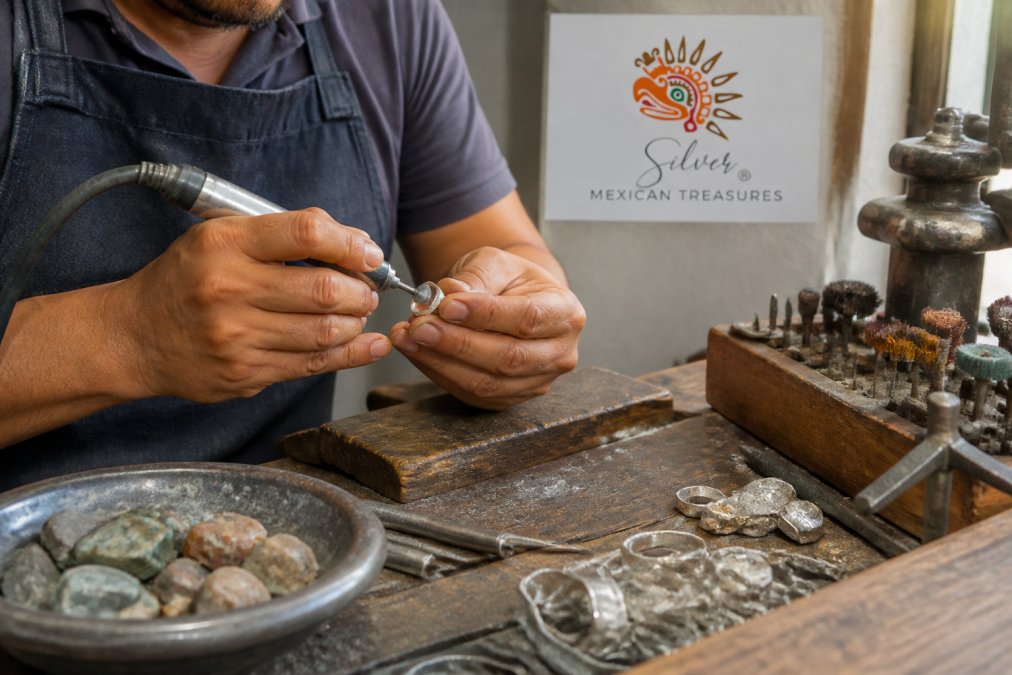
At Silver Mexican Treasures, fair trade jewelry means direct partnerships with artisans rather than working through middlemen who extract profit at every step. Our artisans are members of the Consejo Regulador de la Plata, an organization that ensures quality standards and ethical practices. When you purchase a piece like the Naturaleza Corazón Set, you're directly supporting the Mexican artisan who hand-cut and shaped that sterling silver. The artisan knows exactly where their work goes and receives fair compensation without exploitation.

The difference between fair trade and conventional jewelry supply chains is profound. Conventional supply chains often involve multiple layers of intermediaries, wholesalers, distributors, retailers, each taking a cut before the artisan ever sees payment. Fair trade eliminates those layers. Artisans receive fair compensation directly, allowing them to invest in their families, education, and communities. This model respects the skill and labor that goes into creating authentic handcrafted pieces.
Direct Economic Impact: Livable Wages and Fair Compensation
The most tangible benefit of buying fair trade jewelry is the direct economic impact on artisans and their families. Fair trade practices ensure that skilled craftspeople earn livable wages for their work, compensation that reflects the time, expertise, and artistry involved in creating each piece. This isn't charity; it's recognition that quality handcrafted work deserves fair market value.
When you purchase fair trade jewelry, a significantly larger portion of your payment goes directly to the artisan compared to mass-produced alternatives. An artisan earning fair wages can invest in their children's education, improve their living conditions, and build savings for emergencies. This economic stability transforms entire communities. Women artisans, in particular, gain financial independence and decision-making power within their households when they earn fair income from their craft.
Fair compensation also means artisans can invest in better tools, materials, and training. This creates a positive cycle where improved working conditions lead to higher-quality craftsmanship. The artisans creating Silver Mexican Treasures pieces benefit from fair wages that allow them to maintain their skill, invest in their craft, and pass their knowledge to the next generation. A piece like the Naturaleza Cuadro Pendant carries the value of an artisan who was paid fairly for their expertise and time.

Environmental Benefits of Ethical Sourcing
Ethical sourcing of jewelry materials dramatically reduces environmental damage compared to conventional mining practices. Fair trade and sustainable jewelry manufacturing prioritize responsible extraction methods that minimize harm to ecosystems, water systems, and air quality. When you choose fair trade jewelry, you're voting for environmental stewardship with your purchase.
Responsible mining practices used in ethical sourcing include land restoration, water management, and waste reduction. Artisans and manufacturers committed to sustainable development avoid practices that contaminate groundwater or destroy habitats. Certified gold and responsibly sourced precious metals come from operations that meet strict environmental standards.
Recycled and reclaimed metals represent another environmental advantage in ethical jewelry. Rather than extracting new ore, recycled silver and gold reduce mining pressure entirely. Many fair trade artisans work with recycled metals, creating beautiful pieces without the environmental cost of new extraction. This approach aligns with sustainable development goals that prioritize resource conservation and circular economy principles.
The packaging and shipping practices of ethical brands like Silver Mexican Treasures also reflect environmental commitment. Small-batch production means less waste, fewer resources consumed, and reduced environmental impact at every stage.
How to Identify Authentic Fair Trade Silver
Identifying authentic fair trade silver requires understanding certification standards and knowing what to look for when evaluating a brand's claims. Real fair trade jewelry comes with transparency about sourcing, manufacturing conditions, and artisan compensation. Look for brands that openly share their supply chain story and can verify their claims through third-party certification or direct documentation.
Lab certification is a critical verification tool for consumers. When you see a piece labeled as lab-certified .925 sterling silver, that certification comes from independent testing that confirms the metal's purity. Silver Mexican Treasures pieces are lab-certified by The Silver Laboratory, providing verifiable proof of material authenticity. This certification protects you from purchasing misleading products while ensuring the artisan receives fair compensation for genuine materials.
Ask specific questions before purchasing fair trade jewelry: Where exactly are the artisans located? What organization oversees their working conditions? How are wages determined and verified? Authentic fair trade brands answer these questions directly and provide documentation. Vague claims about "ethical sourcing" without specific details are red flags. Real fair trade requires accountability.
Supply chain transparency is the hallmark of authentic fair trade silver. Brands that practice fair trade openly share information about their artisan partnerships, production methods, and pricing models. They can tell you the story of the specific artisan who created your piece. This transparency builds trust and demonstrates genuine commitment to fair trade principles rather than using the label as marketing without substance.
| Verification Method | What It Confirms | Red Flags |
|---|---|---|
| Lab certification | Metal purity and authenticity | No certification documentation provided |
| Artisan stories | Direct maker information | Generic descriptions without names or locations |
| Supply chain documentation | Transparent sourcing practices | Vague claims about "ethical" without proof |
| Third-party certification | Independent verification of fair trade claims | No independent oversight mentioned |
| Pricing transparency | Fair compensation reflected in cost | Suspiciously low prices compared to handmade alternatives |
Impact of Sustainable Jewelry Manufacturing
Sustainable jewelry manufacturing transforms how pieces are created, from material sourcing through final delivery. This impact of sustainable jewelry manufacturing extends beyond individual pieces to influence entire communities and ecosystems. When brands commit to sustainable practices, they create positive ripple effects across supply chains, labor practices, and environmental stewardship.
Sustainable manufacturing reduces waste at every production stage. Handcrafted jewelry generates minimal waste compared to industrial mass production, where cutting and molding processes create significant scrap material. This efficiency reflects both environmental responsibility and economic sense, nothing is wasted.
Quality, Durability, and Longevity of Ethical Pieces
One of the most compelling benefits of buying fair trade jewelry is the exceptional quality and durability that comes from skilled artisan craftsmanship. When artisans are paid fairly and work in safe conditions, they take pride in their work and invest time in creating pieces built to last. Fair trade jewelry isn't disposable fashion, it's designed to become a treasured heirloom.
A piece like the Naturaleza Corazón Set maintains its shine and structural quality through years of regular wear because it was created with attention to detail and quality materials.
Longevity translates to better value despite higher upfront costs. When you invest in fair trade jewelry, you're buying a piece that will remain beautiful and wearable for years. This durability means you won't need to replace the piece frequently, reducing overall consumption and environmental impact.
Proper care extends the life of ethical jewelry even further.
Community Investment and Social Development
Buying fair trade jewelry creates direct social impact beyond individual artisans. Fair trade models prioritize community investment and social development, channeling profits back into education, healthcare, and infrastructure improvements. When you purchase from brands committed to fair trade jewelry, you're supporting initiatives that strengthen entire communities.
Frequently Asked Questions
How can I verify if my jewelry is truly fair trade?
Look for transparency in the supply chain: reputable fair trade jewelry sellers provide information about artisan partnerships, certification standards, and sourcing practices. Lab certification for materials (like .925 sterling silver) is one verification step. Ask sellers directly about their artisan relationships and whether they're members of recognized fair trade organizations. Authentic providers are willing to share details about where and how pieces are made, who created them, and how artisans are compensated. Avoid vague claims like 'handcrafted' without supporting documentation.
What does fair trade jewelry mean for artisans in terms of actual income?
Fair trade jewelry ensures artisans receive livable wages directly tied to the true cost of their work, not exploitative rates set by middlemen. This means artisans can sustain their families, invest in tools and skills, and plan for the future. Direct partnerships eliminate layers of profit-taking, so more of the purchase price reaches the maker. Many fair trade programs also provide stable, predictable income rather than sporadic work, allowing artisans to move out of poverty and maintain their craft as a viable profession.
Why is fair trade jewelry more expensive than mass-produced silver?
Fair trade jewelry costs more because artisans are paid fairly for their skill and time, materials are ethically sourced, and production is small-batch rather than factory-scale. Mass-produced jewelry relies on cost-cutting in labor and materials. Fair trade pieces are built to last years without tarnishing or losing quality, making them better long-term investments. You're paying for transparency, durability, and the knowledge that your purchase supports real people and sustainable practices, not just a cheaper product.
Does buying fair trade jewelry really make a measurable difference?
Yes. Fair trade purchases directly fund artisan livelihoods, education programs, and community infrastructure. Each piece sold supports sustainable practices, reduces exploitative mining, and preserves traditional craftsmanship. When you buy from fair trade sellers with direct artisan partnerships, your money bypasses middlemen and reaches makers who depend on it. Collectively, fair trade consumers have shifted market expectations toward transparency and ethical sourcing. Individual purchases matter most when you choose sellers committed to verifiable supply chain practices and ongoing artisan relationships.