
Handmade Sterling Silver Jewelry Reviews: Quality, Care & Fair Trade
Table of Contents
- What Makes Handmade Sterling Silver Jewelry Worth the Investment
- How to Tell If Sterling Silver Is Real: Verification and Certification
- Sterling Silver Jewelry Durability: Long-Term Wear and Longevity
- Fair Trade Artisan Jewelry: Supporting Makers and Ethical Production
- Handmade Silver Jewelry Care: Keeping Your Pieces Shiny and Protected
- Customer Reviews and Real-World Performance
- Conclusion: Choosing Handmade Sterling Silver That Lasts
- Frequently Asked Questions
Last Updated: October 16, 2026
What Makes Handmade Sterling Silver Jewelry Worth the Investment
Buying handmade sterling silver jewelry supports artisans, preserves traditional craftsmanship, and gets you a piece built to last decades. At Silver Mexican Treasures, we work directly with artisan families in Taxco, Mexico to bring authentic .925 sterling silver to customers who value quality and ethics.
The difference shows immediately: handmade sterling silver jewelry carries visible character, subtle variations in texture, weight, and finish that signal genuine artisan work and hours of skilled labor, not machine efficiency.
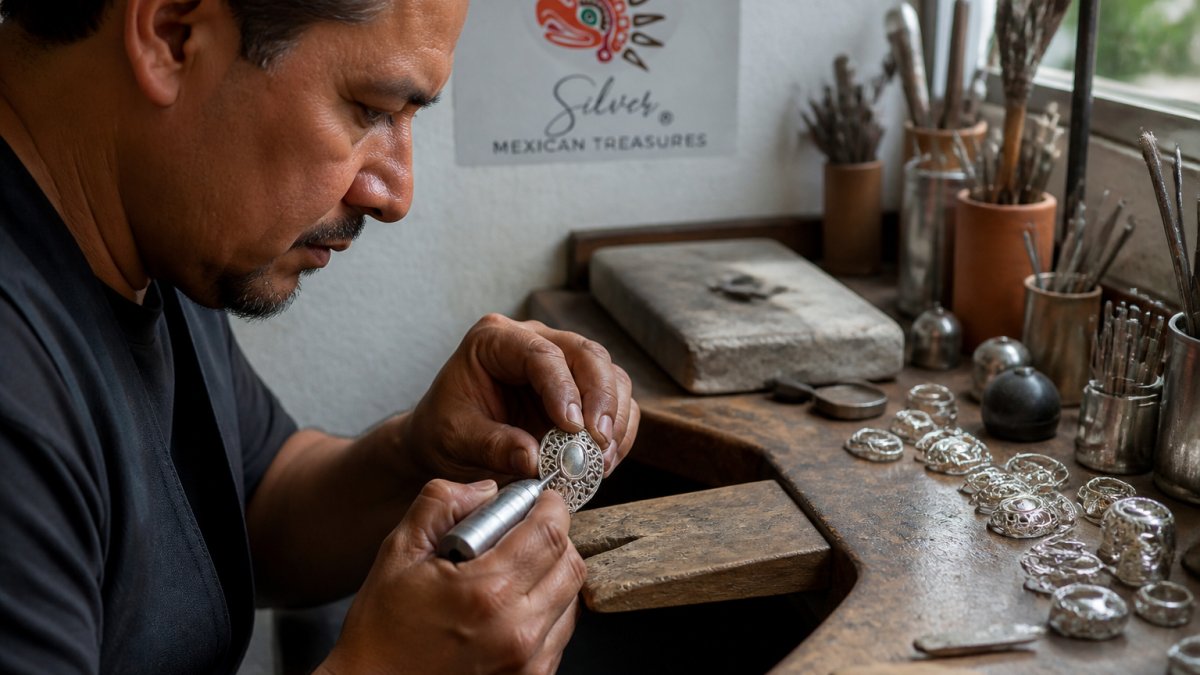
Handcrafted jewelry also holds value: unlike trendy pieces that fade in a season, artisan-made silver remains timeless, and certified .925 sterling silver retains intrinsic worth.
Fair trade adds another layer of meaning: buying from ethical makers sends your money directly to artisans, with no middlemen or exploitative supply chains, transparency that matters to conscious consumers.
How to Tell If Sterling Silver Is Real: Verification and Certification
Sterling silver has a fixed legal definition in most markets: 92.5% pure silver alloyed with 7.5% other metals, usually copper, for strength (Detailed requirements for marking of precious metals).
The hallmark is the first thing to check. Look for ".925," "925," "Sterling," or "Sterling Silver" stamped or laser-engraved on the piece: the inner band of a ring, the back or bail of a pendant, the clasp of a chain, or the post or wire of an earring.
A practical second check is the magnet test. Sterling silver is not magnetic, so a strong neodymium magnet won't stick to it, though it will stick to many silver-plated base metals, nickel, and steel.
A third check is the acid or scratch test, which most buyers should not perform at home because it damages the finish. For independent confirmation, ask the seller for a lab report or assay from a recognized testing lab.
Weight and feel are useful supporting signals. Sterling silver has a density of about 10.36 g/cm³, noticeably heavier than silver-plated brass or copper of the same size, so a hollow-feeling ring or feather-light chain is worth questioning.
Price is a signal, not proof. The spot price of silver is volatile, but the raw metal in a 10-gram sterling piece is worth roughly 92.5% of 10 grams times the current spot price per gram.
Finally, ask the seller directly for material disclosure. A reputable maker will tell you the alloy, country of manufacture, whether any parts are plated or filled, and whether the piece is solid sterling throughout. If the answer is evasive, treat the listing as unverified, verification is about matching the claim to the metal, not distrust.
Sterling Silver Jewelry Durability: Long-Term Wear and Longevity
Durability in sterling silver comes from alloy composition, construction method, wall thickness, and how the piece is worn and stored, more useful than a blanket promise that handmade silver "lasts decades."
Start with the alloy. Sterling silver is 92.5% silver and 7.5% copper. The copper gives the metal working strength but also reacts with sulfur compounds in air, sweat, wool, rubber, and some foods to form tarnish.
Construction matters more than most buyers realize. Hammering work-hardens the metal, increasing surface hardness and resistance to bending. Soldered joints, done well, are strong, but they fail first if under-filled or overheated during fabrication.
Wall thickness and wire gauge drive real-world longevity.
Tarnish timelines vary widely by environment and body chemistry. In a dry, low-sulfur home, a stored piece may stay bright for months; in a humid coastal climate, near a fireplace, or on skin that produces lots of sweat and oils, tarnish can appear in weeks.
Care is where most longevity is won or lost. Store pieces in an airtight bag or lined box with a tarnish-inhibiting strip, separated so chains don't scratch pendants and rings don't abrade each other.
What does realistic longevity look like? A well-made sterling ring worn daily and cared for needs re-polishing every few months and may need re-sizing or re-tipping after several years. A pendant worn occasionally can stay bright for years with minimal attention. Ear wires may need replacement before the decorative element does, since the wire is the thinnest and most flexed part. None of this is a defect, it's normal wear for a soft, noble metal.
The honest comparison isn't "handmade versus mass-produced" in the abstract, but whether the specific piece has enough metal, sound construction, and appropriate care to match how you actually wear it.
Fair Trade Artisan Jewelry: Supporting Makers and Ethical Production
Fair trade jewelry means the artisans who created your piece earned fair compensation. No exploitation. No poverty wages. Direct partnerships between makers and sellers eliminate middlemen who siphon off margins.
Silver Mexican Treasures partners directly with artisan families in Taxco, Mexico, a region famous for sterling silver craftsmanship. These aren't faceless factories. They're skilled metalworkers, many of them women, who've inherited techniques passed down through generations. Fair trade practices ensure they earn enough to support their families while preserving traditional skills.
Linked Chain - Handmade 45 cm .925 Sterling Silver Chain in Mexican Silver →
Transparency matters. You should be able to trace your purchase back to the artisan who made it. Silver Mexican Treasures works with artisan partners who are members of Consejo Regulador de la Plata. This membership signals accountability.
The price difference reflects this commitment. Fair trade pieces cost more than mass-produced alternatives because artisans earn real wages, funding sustainable livelihoods and preserving craft traditions that would otherwise disappear as younger generations abandon metalworking for factory work.
Supporting artisan jewelry also supports cultural heritage. Taxco silver craftsmanship represents centuries of Mexican cultural tradition. Every handmade piece carries that history. Buying from ethical artisans ensures these techniques survive and thrive.
Handmade Silver Jewelry Care: Keeping Your Pieces Shiny and Protected
Sterling silver tarnishes naturally over time, a normal chemical reaction between silver and sulfur compounds in the air, not a defect. Tarnish polishes away completely without damaging the metal.
Store your handmade jewelry in a dry place. Moisture accelerates tarnish. Keep pieces in a soft pouch or lined box, away from direct sunlight. Separate necklaces and chains so they don't tangle or scratch each other. Remove jewelry before swimming, showering, or exercising. Chlorine, salt water, and sweat all speed tarnishing.
Polish regularly with a soft silver cloth designed for sterling silver. Avoid commercial tarnish removers with harsh chemicals, they work quickly but can damage delicate handcrafted details. A gentle cloth and a few minutes preserve both shine and the artisan's original finish.
For the Linked Chain or other necklaces, wipe the entire length occasionally. For earrings like the Wire Earrings or Silver Drops, focus on the front surface where tarnish shows most. The Flattened Wire Ring benefits from weekly polishing if worn daily, and the Hammered Silver Ball Earrings' textured surface traps tarnish slightly more than smooth pieces, so gentle buffing beats aggressive scrubbing.

Never use ultrasonic cleaners or steam cleaners on handmade jewelry. These can damage hand-formed connections and loosen settings. Stick to the soft-cloth method. It takes two minutes and keeps your pieces looking new for years.
Customer Reviews and Real-World Performance
Customers who've purchased handmade sterling silver jewelry report consistent satisfaction with durability and quality, many describing years of wear without lost shine or structural problems.
One customer noted: "Even after years my earrings look amazingly shiny and are very comfortable to wear." Another emphasized the quality: "The silver quality is excellent as well as the workmanship." These observations reflect what you should expect from authentic handcrafted pieces, longevity, comfort, and enduring beauty.
Customers also value the ethical dimension. One reviewer highlighted the impact: "This is an amazing, female owned and operated business." Supporting artisan makers matters to conscious shoppers who want their purchases to mean something beyond personal adornment.
The consistency across reviews suggests handmade sterling silver jewelry from ethical makers delivers real value: pieces don't tarnish excessively, break, or lose their shine, and they stay comfortable for daily wear, performance that justifies the investment over cheaper alternatives that deteriorate within months.
| Quality Metric | Handmade Sterling Silver | Mass-Produced Silver-Plated |
|---|---|---|
| Material Purity | .925 certified | Often unknown or plated only |
| Durability | Decades with care | 6-18 months typical |
| Tarnish Recovery | Polishes away completely | Permanent discoloration |
| Comfort for Daily Wear | Excellent | Often causes skin irritation |
| Artisan Compensation | Fair trade direct | Exploitative supply chains |
| Unique Character | Visible in every piece | Identical mass production |
Conclusion: Choosing Handmade Sterling Silver That Lasts
Handmade sterling silver jewelry reviews highlight one truth: you get what you pay for. Authentic pieces from ethical artisans cost more upfront but outlast trends and reward you with decades of wear.
The investment makes sense when you value durability, authenticity, and ethical production. Choosing handcrafted .925 sterling silver from fair trade makers means supporting skilled artisans, preserving cultural heritage, and acquiring something genuinely built to last.
Silver Mexican Treasures offers lab-certified handmade sterling silver jewelry that meets all these standards. Every piece, from the Linked Chain at $60.00 to the Hammered Silver Ball Earrings at $40.00, combines authentic Taxco craftsmanship with fair trade practices. Our artisan partners earn fair compensation. Our pieces carry visible character. Our materials are verified.
Consejo Regulador de la Plata's certification standards ensure that every maker we partner with meets rigorous craftsmanship and ethical labor requirements. We've chosen to work only with verified artisans because quality and fairness aren't negotiable.
Explore the collection at Silver Mexican Treasures and discover why customers return to handmade sterling silver jewelry year after year. Your investment will shine for decades.
Frequently Asked Questions
How can you tell if handmade jewelry is real sterling silver?
Authentic sterling silver carries hallmarks: look for .925 or 925 stamped inside the piece, which certifies 92.5% pure silver content. Lab certification from trusted testing facilities provides independent verification. Reputable makers provide certificates of authenticity. Real sterling silver feels substantial in weight, shows a slight patina over time rather than flaking, and may include maker marks or artisan signatures. Avoid pieces with no markings or vague labels like 'silver-plated' or 'silver-tone', these are not genuine sterling silver.
What does fair trade jewelry mean for artisans?
Fair trade jewelry ensures artisans receive equitable compensation directly for their work, bypassing middlemen who typically take large cuts. It means transparent pricing, safe working conditions, and respect for traditional craftsmanship. Fair trade partnerships support small artisan communities, preserve cultural heritage, and often fund education or community projects. When you buy fair trade handmade jewelry, you're investing directly in the livelihoods of skilled makers, particularly important in regions like Taxco, Mexico, where silversmithing is a vital cultural tradition passed through generations.
How long will silver jewelry last?
High-quality sterling silver jewelry lasts decades or longer with proper care. Lab-certified .925 sterling silver resists tarnishing far better than lower-grade silver alloys. Handcrafted pieces from skilled artisans tend to hold their form and finish because they're made from solid metal rather than thin plating. Real sterling silver can be cleaned and polished repeatedly without degrading. Durability depends on wear patterns, everyday pieces may show light patina within months, but this is cosmetic and easily removed with gentle polishing. With regular care and storage in dry conditions, sterling silver jewelry remains wearable and beautiful for lifetimes.
Is a sterling silver necklace worth it?
Yes, if you value durability, authenticity, and ethical sourcing. Sterling silver necklaces cost more upfront than mass-produced alternatives, but they last years without degrading, maintain their shine with minimal care, and don't cause skin reactions like cheaper alloys do. Handmade pieces offer unique designs you won't find elsewhere, and fair trade sourcing means your purchase supports artisans directly. For everyday wear or meaningful gifts, a quality sterling silver necklace, especially one lab-certified and handcrafted, is an investment that pays dividends through longevity, beauty, and the knowledge that you've supported ethical makers.