
Taxco Silversmithing Techniques Explained
Table of Contents
- The History and Heritage of Taxco Silver Craftsmanship
- How Taxco Silver Jewelry Is Made: From Design to Finished Piece
- Understanding the Taxco Silver Repoussé Technique
- Taxco Silver Hand-Hammered Jewelry: Texture and Dimension
- Filigree, Overlay, and Decorative Metalwork
- How to Identify Handmade Taxco Silver
- Why Traditional Techniques Matter: Value, Durability, and Design Innovation
- Frequently Asked Questions
Last Updated: October 12, 2026
The History and Heritage of Taxco Silver Craftsmanship
Taxco silversmithing techniques explained represent centuries of cultural fusion and artistic innovation. This Mexican city earned its reputation as the world's silver capital not by accident, but through generations of artisans who refined their craft under the influence of both indigenous Mesoamerican metalworking and Spanish colonial traditions. Understanding these techniques means understanding the story of a place where tradition and modernism collide beautifully.
The indigenous peoples of the region worked with silver long before Spanish conquest, embedding their own aesthetic sensibilities into metalwork. When Spanish colonizers arrived, they brought European techniques and a voracious demand for precious metals. The result was a synthesis: indigenous design principles merged with European methods to create something distinctly Mexican. By the 1930s, Taxco had transformed into a hub of artistic silver production, with artisans experimenting with modernist forms while maintaining respect for traditional handwork.
At Silver Mexican Treasures, we recognize that every piece carrying authentic Taxco silversmithing reflects this layered heritage. The techniques you'll encounter in a handcrafted Taxco silver ring or bracelet are not static museum pieces, they're living practices that have evolved while retaining their core integrity. This cultural continuity is what separates genuine artisan work from mass production.
The Spanish colonial period introduced formal metalworking guilds and standardized techniques. Indigenous artisans adapted these systems while preserving their own design vocabulary. The resulting fusion created a distinctive Mexican silver aesthetic: bold sculptural forms, intricate surface textures, and a commitment to visible handwork that celebrates rather than hides the maker's touch.
How Taxco Silver Jewelry Is Made: From Design to Finished Piece
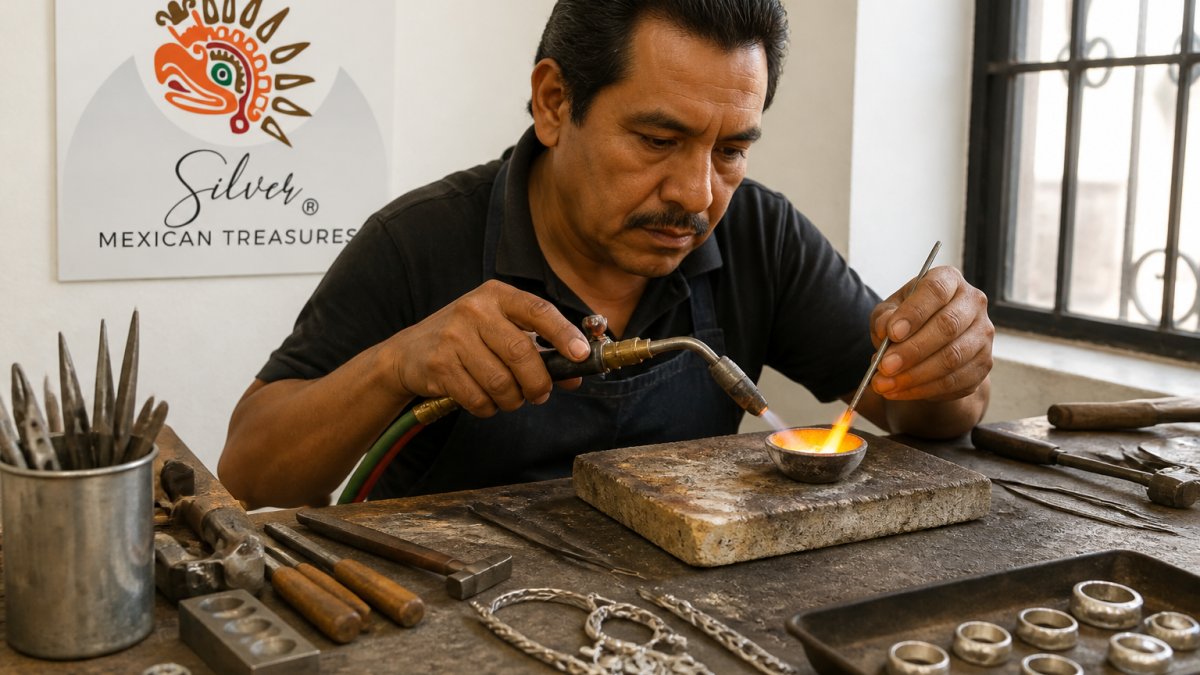
Taxco silver jewelry production follows a deliberate sequence from concept to completion. Each stage requires specific skills and often multiple artisans working in sequence. The process is labor-intensive by design, speed is sacrificed for quality and authenticity.
Material Selection and Silver Purity Standards
Sterling silver, marked as .925, is the standard for authentic Taxco work. This designation means the metal is 92.5% pure silver with 7.5% alloy (typically copper) added for durability. Pure silver alone is too soft for jewelry that must withstand daily wear. The alloy hardens the metal while preserving the lustrous quality that makes silver desirable.

Artisans select their silver carefully. The metal arrives as ingots or wire, ready for melting and forming. Lab certification of .925 purity is not optional for reputable makers, it's a baseline requirement. When you purchase from Silver Mexican Treasures, every piece carries lab certification confirming its silver content, giving you proof of what you're buying.
The Hand-Forging Foundation
Hand-forging is the core technique underlying most Taxco silversmithing. An artisan heats silver to a workable temperature, then shapes it using hammers, anvils, and specialized tools. This process aligns the metal's crystalline structure, making it stronger than cast silver. It also creates the subtle surface variations that signal handmade work.
Understanding the Taxco Silver Repoussé Technique
Repoussé is perhaps the most celebrated Taxco silversmithing technique. It involves hammering silver from the reverse side to create a raised design on the front. The word comes from French, meaning "pushed back," which perfectly describes the method.
How Repoussé and Chasing Work Together
Chasing is repoussé's partner technique. While repoussé pushes metal from behind, chasing refines it from the front. After the basic form is raised, the artisan uses chasing tools, small punches with shaped ends, to add detail, sharpen edges, and create surface patterns.
Together, repoussé and chasing create dimensional, sculptural forms with refined surface detail. A single piece might show dramatic relief (repoussé) combined with fine linear patterns or textural marks (chasing). This combination is signature to high-quality Taxco work and explains why such pieces command prices that reflect the hours invested.
Taxco Silver Hand-Hammered Jewelry: Texture and Dimension
Hand-hammering creates texture through deliberate, controlled strikes. Unlike the shaping function of forging, texture-focused hammering is purely aesthetic. The artisan uses a hammer with a textured face or strikes at angles to leave visible impressions on the silver surface.
Different hammer faces produce different textures. A ball-peen hammer creates circular dimples. A cross-peen produces linear marks. Specialized texture hammers have patterned surfaces that transfer their design to the silver. The result is a surface that catches light differently than smooth, polished silver, creating visual depth and movement.
Hand-hammered pieces often appear less "finished" than their cast or machine-made counterparts. This is intentional. The visible hammer marks signal authenticity and handwork. They also serve a practical function: textured surfaces hide fingerprints and minor scratches better than perfectly smooth finishes.
The Hammered Silver Ball Earrings from Silver Mexican Treasures exemplify this technique. The spheres are formed through careful forging, then textured with deliberate hammer strikes that create a surface catching light from every angle. This texture is not decoration applied after the fact, it's integral to how the form was created.

Filigree, Overlay, and Decorative Metalwork
The Aros Earrings from Silver Mexican Treasures showcase hand-formed wirework that echoes filigree principles, wire shaped into sculptural forms that create visual impact through their three-dimensional structure.

How to Identify Handmade Taxco Silver
Authentic handmade Taxco silver displays specific characteristics that distinguish it from mass-produced work. Learning to recognize these markers protects you from counterfeits and helps you appreciate what you're buying.
Hallmarks and Authenticity Markers
A hallmark is a stamped mark indicating the maker and the silver purity. Authentic Taxco pieces typically bear multiple hallmarks. The "925" or ".925" mark confirms sterling silver purity. A maker's mark, often initials or a symbol, identifies the artisan or workshop.
These marks are not decorative. They are legal requirements in many countries and serve as the maker's guarantee of quality. Reputable artisans take pride in their marks because they're accountable for them. A piece without clear hallmarks should raise questions.
Alambre Ring - Handmade 7 mm .925 Sterling Silver Ring in Mexican Silver →
The Consejo Regulador de la Plata (Silver Regulatory Council) maintains standards for Mexican silver. Pieces from council members often carry this affiliation as part of their marking. This certification is a strong indicator of legitimacy and ethical production.
Visual Clues That Signal True Artisan Work
Handmade silver displays irregularities that machine work cannot replicate. These are not flaws, they're evidence of handwork. Look for:
Uneven surfaces where hammer marks or tool impressions vary slightly. Edges that are not perfectly sharp or perfectly rounded. Hand-finishing leaves slight irregularities that signal careful, individual attention. Surface textures that catch light inconsistently, creating depth and movement.
A perfectly uniform, flawless appearance is often a red flag. It suggests casting or machine finishing rather than handwork. Authentic Taxco pieces embrace their handmade nature rather than attempting to hide it.
Why Traditional Techniques Matter: Value, Durability, and Design Innovation
Traditional Taxco silversmithing techniques persist because they produce superior results. This isn't nostalgia, it's practical reality.
Handwork allows for design complexity that machines cannot easily achieve. An artisan can adjust a design mid-creation, respond to how the material behaves, and incorporate subtle details that mass production cannot accommodate. This flexibility enables truly unique pieces.
Durability is another advantage. Silver that has been worked through forging and hammering is stronger than cast silver. The crystalline structure is aligned and compressed, making it more resistant to bending and breaking. A hand-forged ring will retain its shape through years of wear.
The value of Taxco silver reflects these realities. A piece from Silver Mexican Treasures costs more than mass-produced sterling silver because the labor is genuine and the techniques are refined. You're paying for skill, time, and materials that cannot be rushed or automated without losing essential qualities.
Design innovation continues in Taxco despite the tradition. Modern artisans incorporate contemporary aesthetics while maintaining traditional techniques. The La Monarca Earrings combine hand-forged construction with sculptural forms. The Tallada Bracelet uses traditional carving techniques to create forms that feel both timeless and current.
This balance, respecting tradition while embracing innovation, is what keeps Taxco silver relevant. The techniques are not frozen in the past. They're living practices that evolve while maintaining their integrity.
Understanding Taxco silversmithing techniques explained gives you the knowledge to make informed choices about the jewelry you wear and treasure. These techniques represent centuries of cultural heritage and the skill of individual artisans who dedicate their lives to the craft. When you choose handmade Taxco silver, you're choosing durability, authenticity, and a direct connection to a tradition that continues to thrive. The Consejo Regulador de la Plata maintains standards for authentic Mexican silver ensuring that pieces bearing their certification meet rigorous quality requirements. Explore the Collection and discover pieces created using these time-honored methods, each one carries the mark of genuine craftsmanship and the commitment of artisans who believe their work matters.
Frequently Asked Questions
What techniques are used in traditional Taxco silversmithing?
Traditional Taxco silversmithing combines hand-forging, repoussé, chasing, and hammering. Hand-forging shapes molten silver into forms; repoussé creates raised designs by striking silver from behind; chasing adds fine detail from the front. Hammering adds texture and dimension. These techniques, often passed through generations, allow artisans to create unique, sculptural pieces with depth and character.
How is Taxco sterling silver jewelry made?
Taxco artisans begin with certified .925 sterling silver, which is 92.5% pure silver. The metal is hand-forged and shaped using traditional tools and techniques passed down through families. Depending on the design, artisans may use repoussé to create raised patterns, chasing to refine details, or hammering to add texture. After shaping, the piece is carefully polished and finished by hand. Each step requires skill and experience, making every piece unique. The result is durable, high-quality jewelry that reflects authentic Mexican craftsmanship and cultural heritage.
What does the .925 mark mean on Taxco silver?
The .925 mark indicates that the jewelry is sterling silver, containing 92.5% pure silver and 7.5% other metals (usually copper) for strength and durability. This is the international standard for high-quality silver jewelry. Many Taxco pieces also carry a hallmark identifying the artisan or workshop. Lab certification ensures the .925 purity is verified, guaranteeing you're buying authentic sterling silver. This standard makes the piece valuable, durable, and suitable for everyday wear.
How can you tell if Taxco silver jewelry is handmade?
Handmade Taxco silver shows visible signs of artisan work: slight variations in symmetry, unique surface textures from hammering or repoussé, and individual hallmarks or maker's marks. Handcrafted pieces have subtle differences that prove human skill. Lab certification and direct artisan partnerships provide additional assurance.
Why is handmade Taxco silver more expensive than mass-produced sterling silver?
Handmade Taxco silver costs more because each piece requires hours of skilled labor, traditional technique, and artisan expertise. Taxco artisans invest years learning their craft, and their pieces are one-of-a-kind or small-batch productions. Fair-trade pricing ensures artisans earn fair wages, supporting their livelihoods and preserving cultural heritage. The durability and beauty of handcrafted pieces also justify the investment: they last years without losing shine. You're paying for authenticity, quality, and ethical production.
What is repoussé in Taxco silverwork?
Repoussé is an ancient decorative technique where artisans strike silver from behind using specialized punches and hammers, creating raised designs on the front surface. After repoussé shapes the overall pattern, artisans use chasing from the front to refine details and add fine lines. This two-step process creates dimensional, sculptural effects that catch light beautifully. Repoussé requires precision and experience, making each repoussé piece a testament to the artisan's skill and vision.
How do traditional silversmithing techniques affect the value and durability of jewelry?
Traditional techniques create jewelry that is structurally stronger and more durable than mass-produced alternatives. Hand-forging aligns the silver's grain structure, increasing strength; repoussé and chasing add dimensional detail that resists wear; and careful polishing creates a protective finish. The uniqueness of handcrafted work increases collectible value over time, especially pieces bearing hallmarks of respected Taxco workshops.